JLPT N5 study guide
N5 is the first JLPT level. It focuses on the foundations of Japanese: kana, familiar words, basic kanji, simple sentences and short conversations.
The JLPT does not publish a fixed word, kanji or grammar list. Use this as a practical study path, not a guarantee of what will appear on the test.

Is N5 the right level for me?
If you are learning to read hiragana and katakana and can understand only short, familiar sentences, N5 is a sensible place to begin. The official level description includes reading typical expressions in kana and basic kanji, and following short, slowly spoken exchanges.
What should I learn?
Begin with the scripts, then use vocabulary, kanji and grammar together in small pieces of reading. The pages below are places to practise each skill.
Hiragana
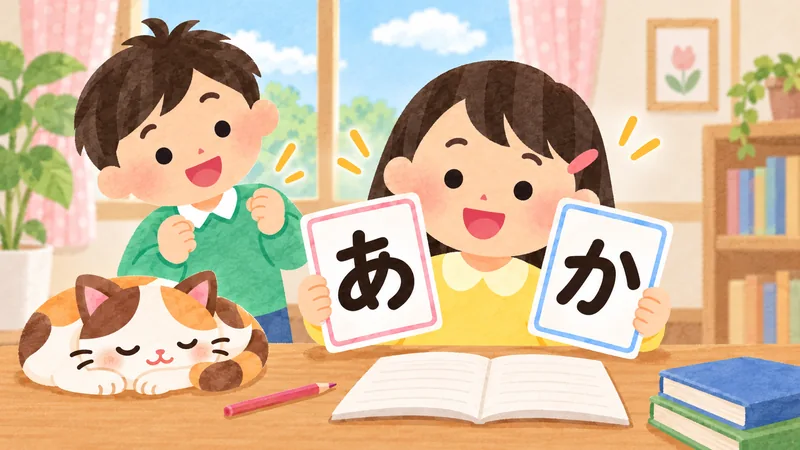
Learn to read Japanese sounds without relying on romaji. This is the best first step if the script is still unfamiliar.
Learn hiragana
Katakana
Recognise the script used in many borrowed words and names so everyday Japanese is easier to read.
Learn katakana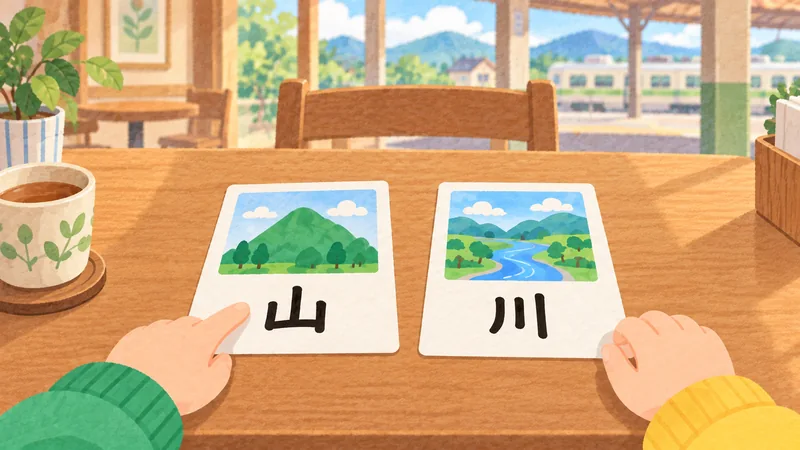
Kanji in words
Meet common characters through words about people, places, time and daily actions.
Browse kanji
Everyday vocabulary
Build words you can use to understand short sentences and familiar situations.
Browse vocabulary
Sentence patterns
See how Japanese makes statements and questions, describes things and connects ideas.
Browse grammarA simple order for studying
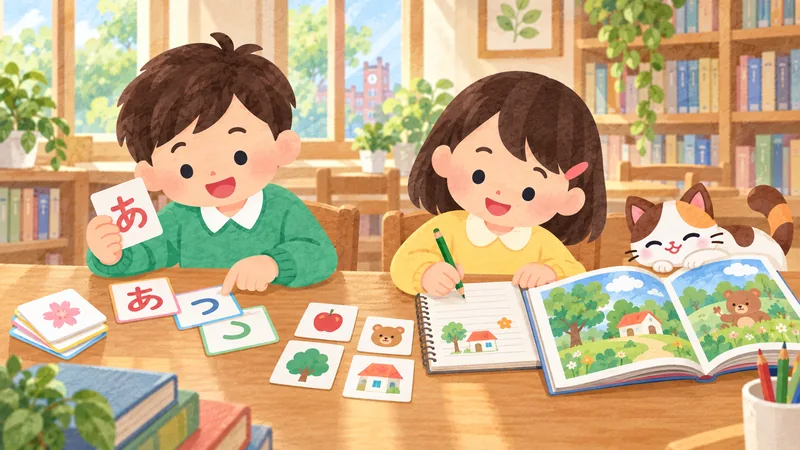
Begin with the separate kana practice, then move through simple statements, familiar words, actions and reading in context. This follows the order of our beginner foundations material.
- Read the basic scripts. Start with hiragana, then katakana. Return to them until you can recognise characters out of order.
- Make a first statement or question. Learn the role of です and the question marker か.
- Add useful words. Learn people, places, time and everyday objects through the vocabulary guides.
- Describe and act. Meet adjectives, common verbs and the particles that connect them in sentences.
- Read kanji inside words. Use character guides and short examples instead of memorising isolated readings.
- Mix the skills. Read short passages, listen to slow familiar exchanges and revisit what you missed in practice.
What beginner Japanese looks like
These sentences show three things you will meet early: a polite statement, a question and a simple description of where something is.
- 私は大学生です。わたしはだいがくせいです。I am a university student.
- これは日本語の本ですか。これはにほんごのほんですか。Is this a Japanese book?
- 机の上に本があります。つくえのうえにほんがあります。There is a book on the desk.
A little guidance first
Not sure if N5 is the right place to start?
If you already know some Japanese, you might not need to start at the very beginning. Try a short, twenty-question check across five beginner areas:
- Kana
- Vocabulary
- Kanji
- Grammar
- Reading
At the end, you’ll see a suggested starting point and a breakdown of how you did in each area. Use it to choose what to practise next; it is not an official JLPT score. No account is required.
Find my starting point