Question particle か
Question marker
か turns a polite statement into a direct question.
In plain language
か at the end turns a polite statement into a question. It works a little like a question mark in spoken Japanese.
When to use it
Use it when asking whether something is a book, whether someone will come, or what someone will eat.
How to build it
Make a polite sentence ending in です or ます, then add か: 本です → 本ですか。 (“Is it a book?”) In writing, the Japanese full stop 。 often follows.
A basic pattern
Polite sentence + か
Examples in context
The grammar point is shown in blue in each sentence.
 これは日本語の本ですか。これはにほんごのほんですか。Is this a Japanese book?
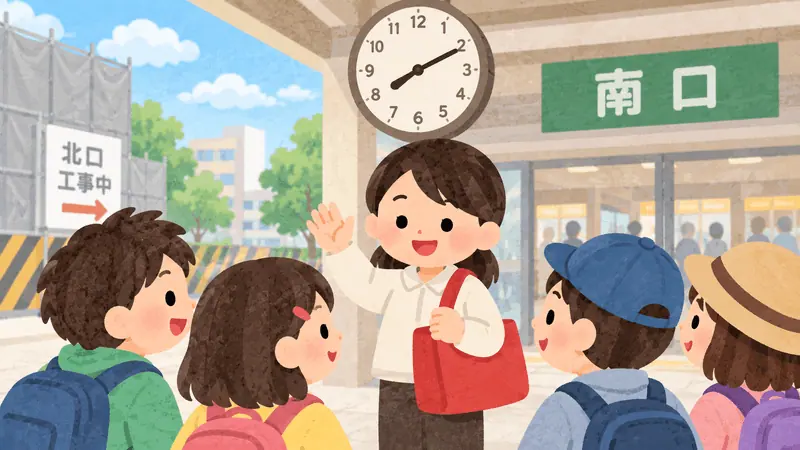 明日来ますか。あしたきますか。Will you come tomorrow?
 何を食べますか。なにをたべますか。What will you eat?
Watch for this
どこです。か。 → どこですか。
Attach か directly to the sentence ending.
Quick practice: Question particle か
Check what you remember with three short questions. Your result stays in this browser.