
それから
after that; next; also
Use それから to move from one step or event to what comes next.
In plain language
それから means “and then” or “after that.” It helps you put events in order. It can also add one more thing to a request.
When to use it
Use it when telling someone what happened first and next, giving steps, or adding another item while ordering.
How to build it
Finish the first action or request. Start the next sentence with それから, then say what comes next: 朝ごはんを食べます。それから学校へ行きます。
A basic pattern
Sentence A。それから、sentence B。
Examples in context
The grammar point is shown in blue in each sentence.
 朝ごはんを食べます。それから学校へ行きます。あさごはんをたべます。それからがっこうへいきます。I eat breakfast. After that, I go to school.
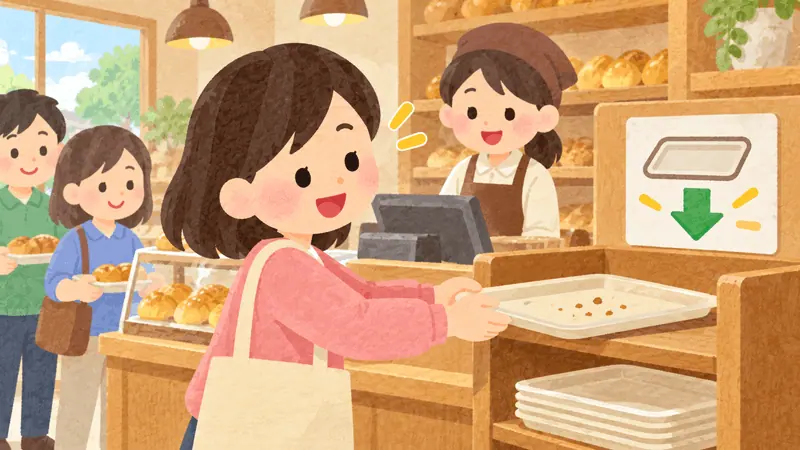 パンをください。それから牛乳もください。ぱんをください。それからぎゅうにゅうもください。Bread, please. Also, some milk, please.
 まず本を読みます。それからねます。まずほんをよみます。それからねます。First I read a book. After that, I go to bed.
Watch for this
本を読むそれからねます。 → 本を読みます。それからねます。
Finish the first sentence before using それから to introduce the next step. It is not a conjugation attached directly to 読む.
Quick practice: それから
Check what you remember with three short questions. Your result stays in this browser.