だけ
Only; just
だけ limits a person, thing, amount, or action to “only” that item.
In plain language
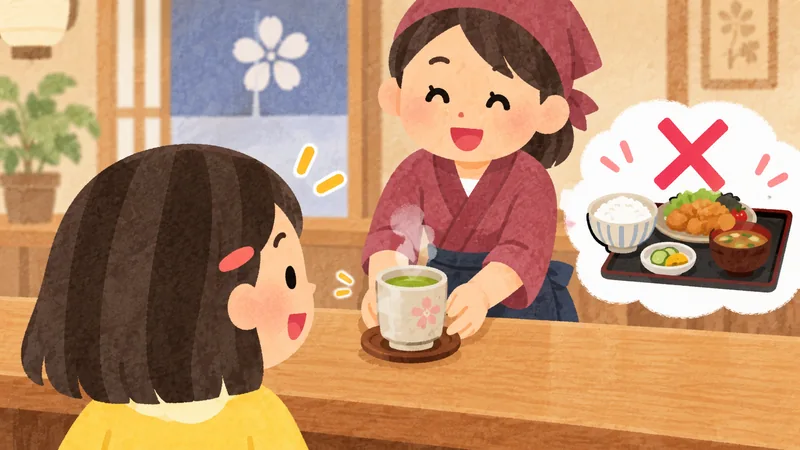
だけ means “only” or “just.” It narrows a sentence down to one thing, amount, or length of time.
When to use it
Use it when you want to say that nothing else is included: only water, only one hour, or only one chair.
How to build it
Put だけ immediately after the item you are limiting. 水だけ means “only water”; 一時間だけ means “only one hour.” The rest of the sentence follows normally.
A basic pattern
Noun + だけ
Examples in context
The grammar point is shown in blue in each sentence.
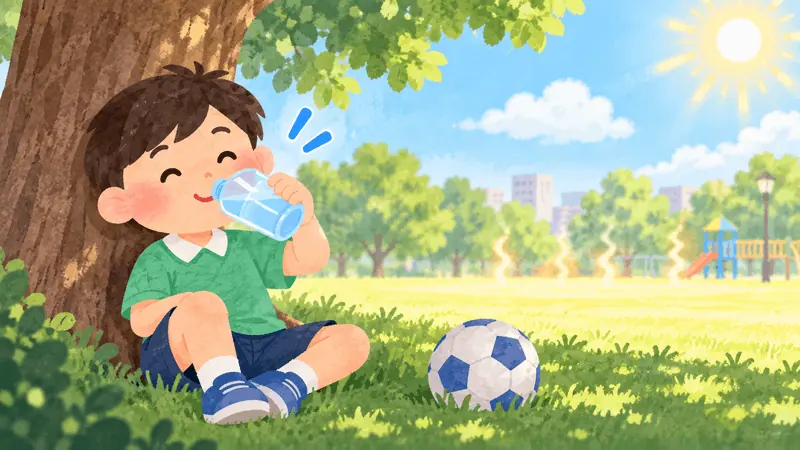 朝は水だけ飲みます。あさはみずだけのみます。I drink only water in the morning.
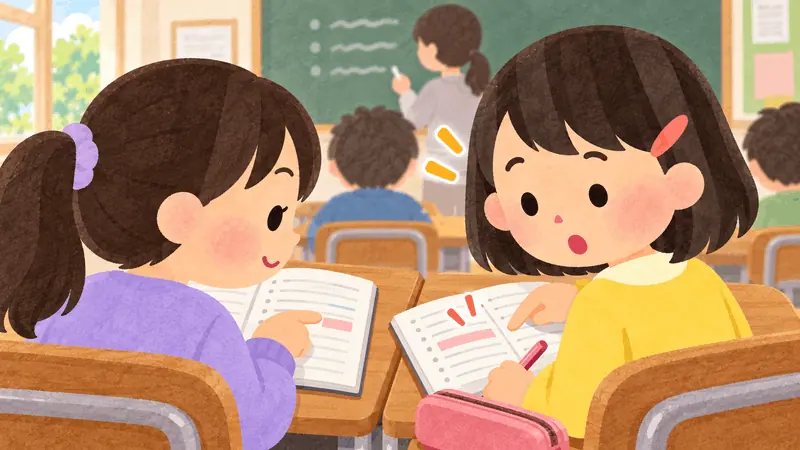 今日は一時間だけ勉強しました。きょうはいちじかんだけべんきょうしました。I studied for only one hour today.
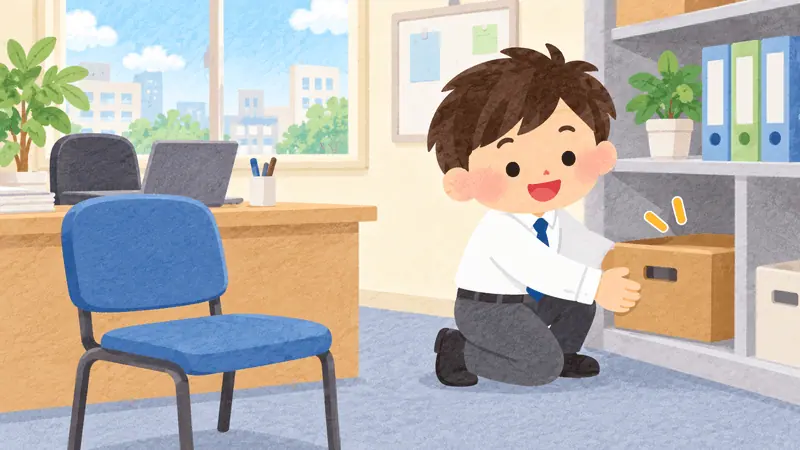 この部屋には椅子が一つだけあります。このへやにはいすがひとつだけあります。There is only one chair in this room.
Watch for this
だけ水を飲みます。 → 水だけ飲みます。
Place だけ after the item being limited.
Quick practice: だけ
Check what you remember with three short questions. Your result stays in this browser.